Being raised in a community with a diverse group of people has been a rewarding experience for me. Reading about various cultures and environments in books or watching documentaries is one thing, but having a conversation with individuals who have experienced such things directly is quite another. Talking with friends and neighbors has helped me become more aware of my background and other areas of the world. Although this has been a huge part of my upbringing, having a community that shares the same culture as my family and me has also been invaluable. My local temple has fostered a group of people originating from all over India, which has provided me with a strong sense of belonging and connection to my roots. The temple is more than just a place of worship; it’s a spot where people keep traditions, festivals, and languages alive. Celebrating festivals like Diwali and Holi with this close-knit group helps me appreciate my Indian heritage while staying connected to my cultural identity.
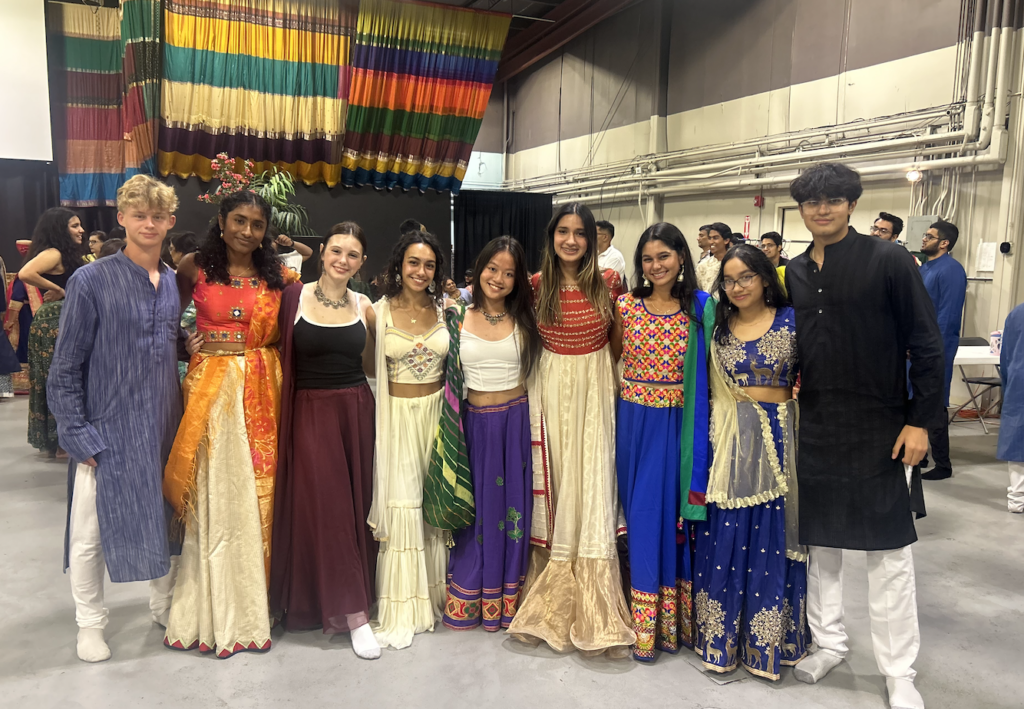
Before I talked with other people from India in my community, I only had a broad sense of what the other regions of India were like. My parents’ hometown was the only part of India I knew of until I connected with other Indians in my neighborhood. Though I was aware of India’s size in general, I was unaware of the extent of its cultural diversity. People from different regions of India opened my eyes to the distinct customs, dialects, and lifestyles in every corner of the country. My mom’s best friend shared stories of the vibrant deserts of Rajasthan, my second-grade classmate described summers spent along the calm waters of Kerala, and my grandma reminisced about the bustling streets of Mumbai. Hearing about traditions and celebrations that differed from my own yet were deeply rooted in the larger Indian identity fascinated me. I learned something new from every conversation, whether it was about the customs, cuisine, or languages of places like Tamil Nadu or Punjab. I became more aware of how varied and rich my heritage is, and it strengthened my bond with a larger feeling of “home.”
India is a very diverse nation and unfortunately, people often perceive it as all the same. The reality is that people from different regions of India are very different. It’s similar to how regions of the USA have distinct qualities that people associate with each other. Gujarat, where my parents are from, exemplifies how culturally blended a region can be. While some parts of India might be more divided by class or other social structures, Gujaratis tend to embrace a more integrated culture. Food is a great example of this regional uniqueness. “Pani puri” is a street food favorite in Gujarat, but in other parts of India, like Delhi, it’s called “gol gappa” – if you ask me, though, the correct name is pani puri. The dish is the exact same, but the name and preparation vary slightly. Gujaratis are also known for their love of “paan,” a chewy, minty mouth freshener that originates in the region. These are just a few examples of what makes Gujarat specifically unique, but these subtle differences in every area, whether in language, food, or customs, contribute to each state’s unique identity, making India a country with an incredibly rich and varied cultural landscape.
Leave a Reply